Home Services Tree Risk Assessment

Tree Risk Assessment in Bellwood, IL

Tree Risk Assessment is a structured inspection that measures the structural stability and decline of trees on your property, and Bellwood homeowners with aging maples, mature parkway trees, or storm-worn oaks often benefit most. Our arborists evaluate load-bearing limbs, root plate condition, and signs of internal decay using visual assessment and sounding techniques. The goal is to identify problems early and guide corrective treatment before deterioration spreads. Bellwood Tree Services keeps assessments available throughout 2026, including after the freeze-thaw cycles that stress local trees each spring. Steady guidance, no pressure.

Schedule an Assessment 708-240-3342

Request A Service

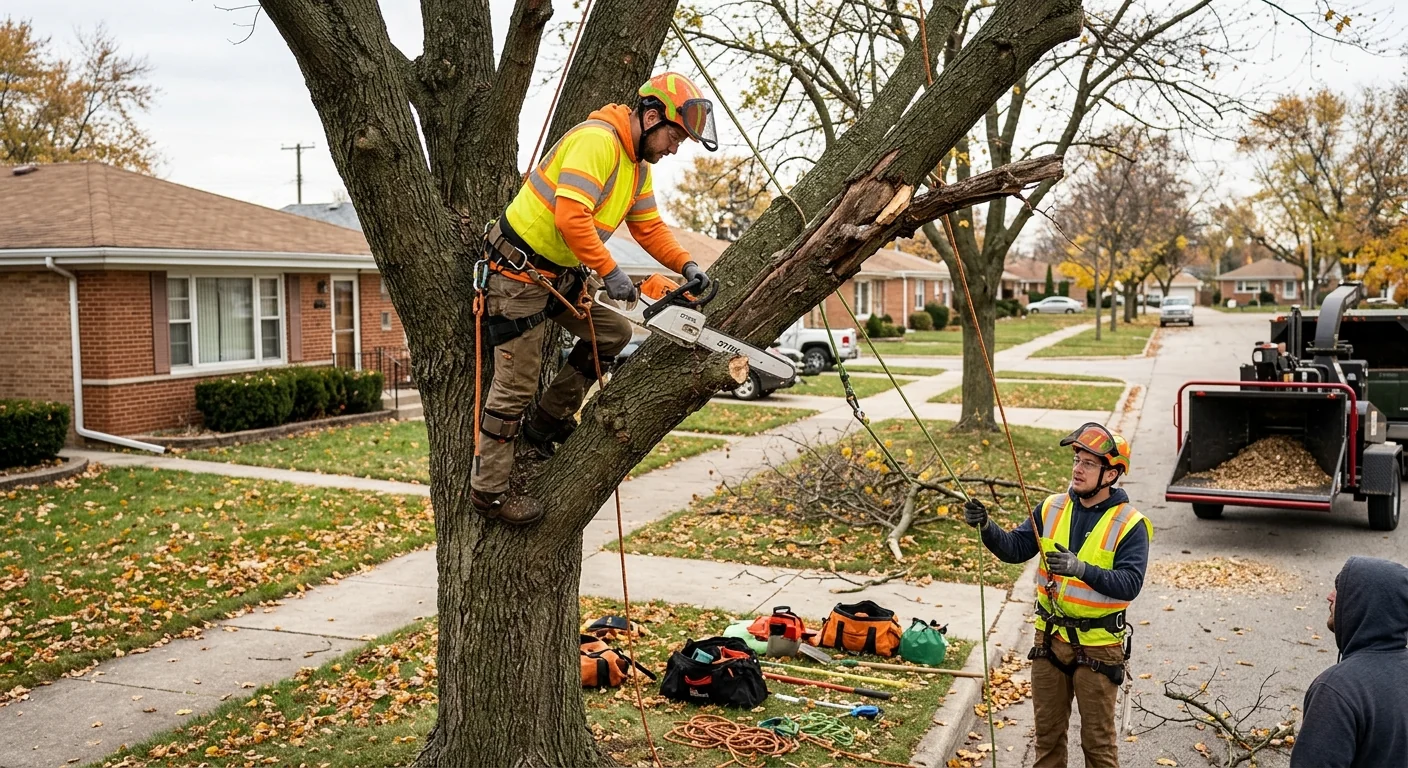
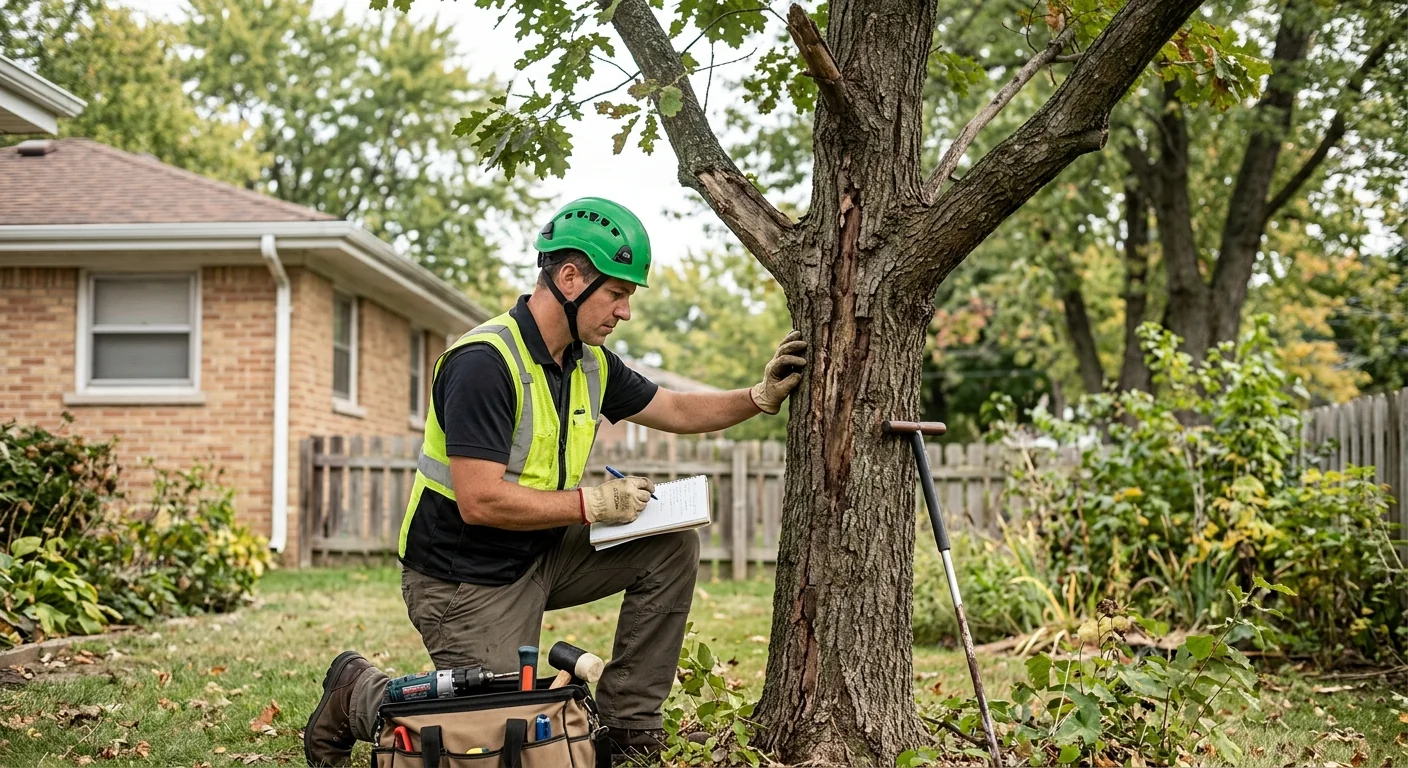
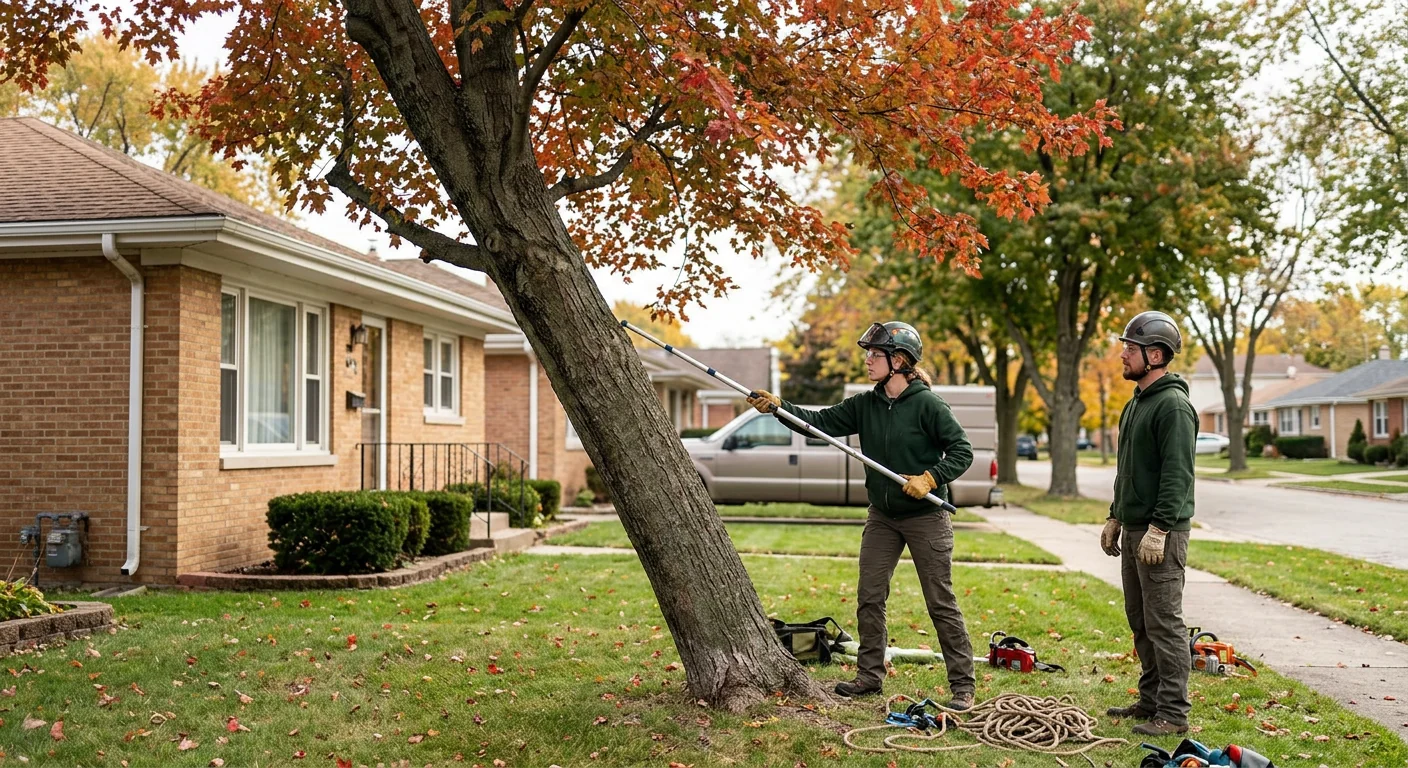
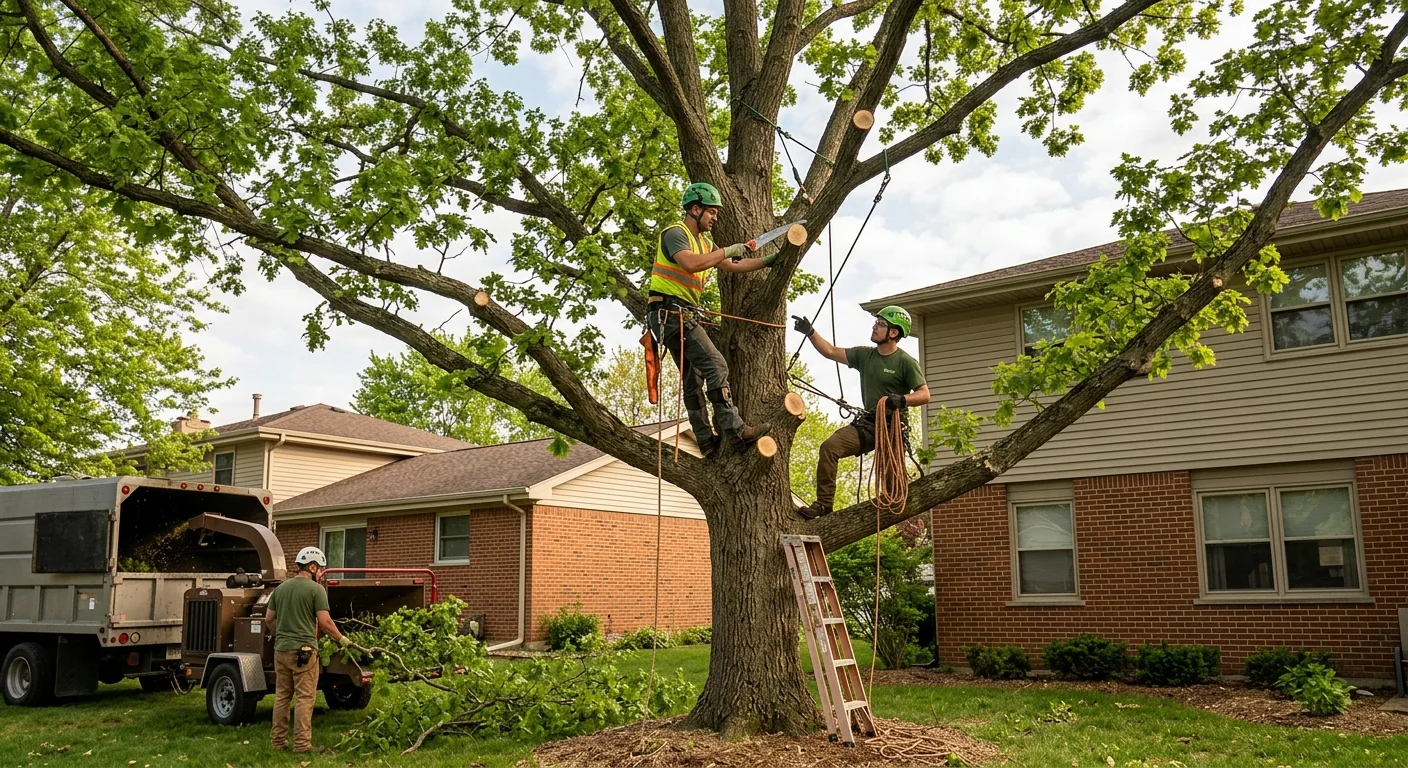
Arborist inspecting a mature tree canopy during a risk assessment in Bellwood
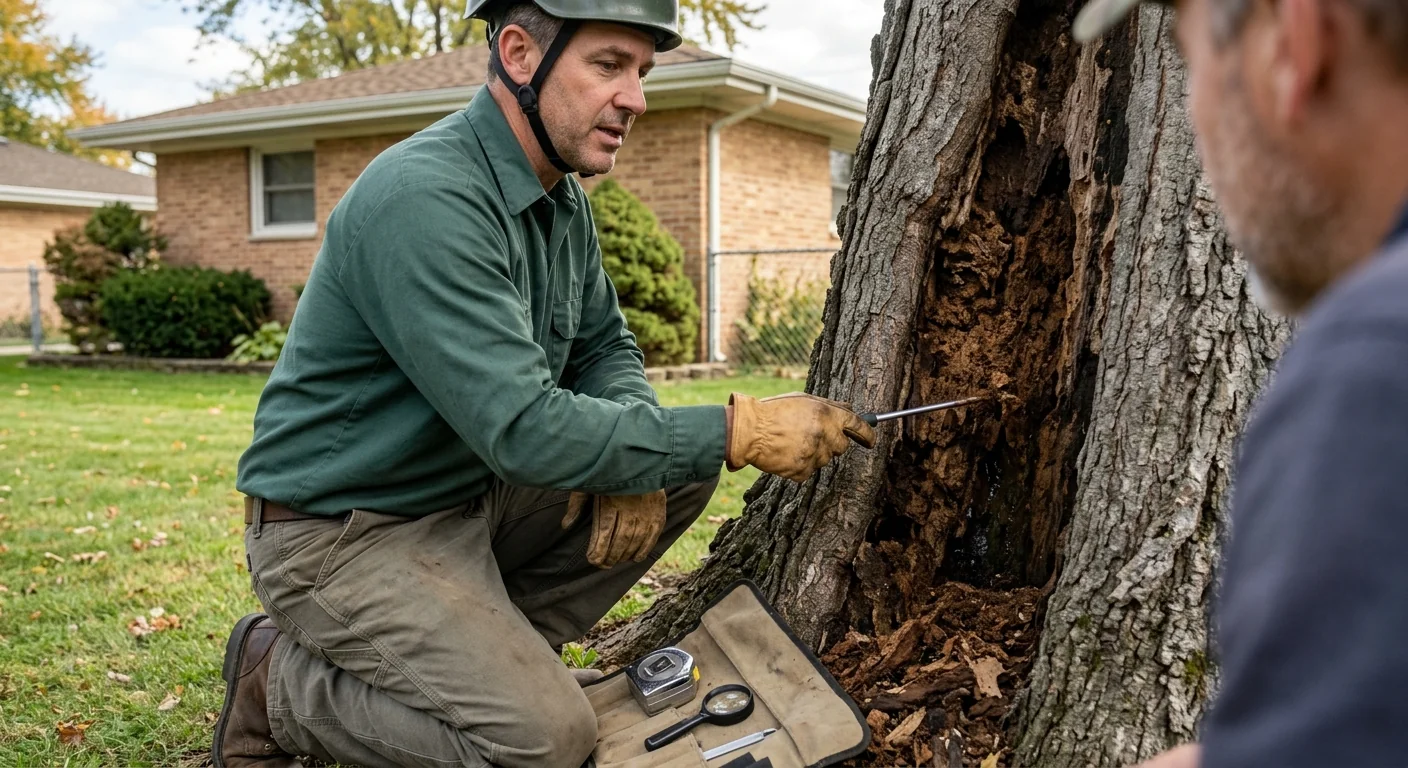
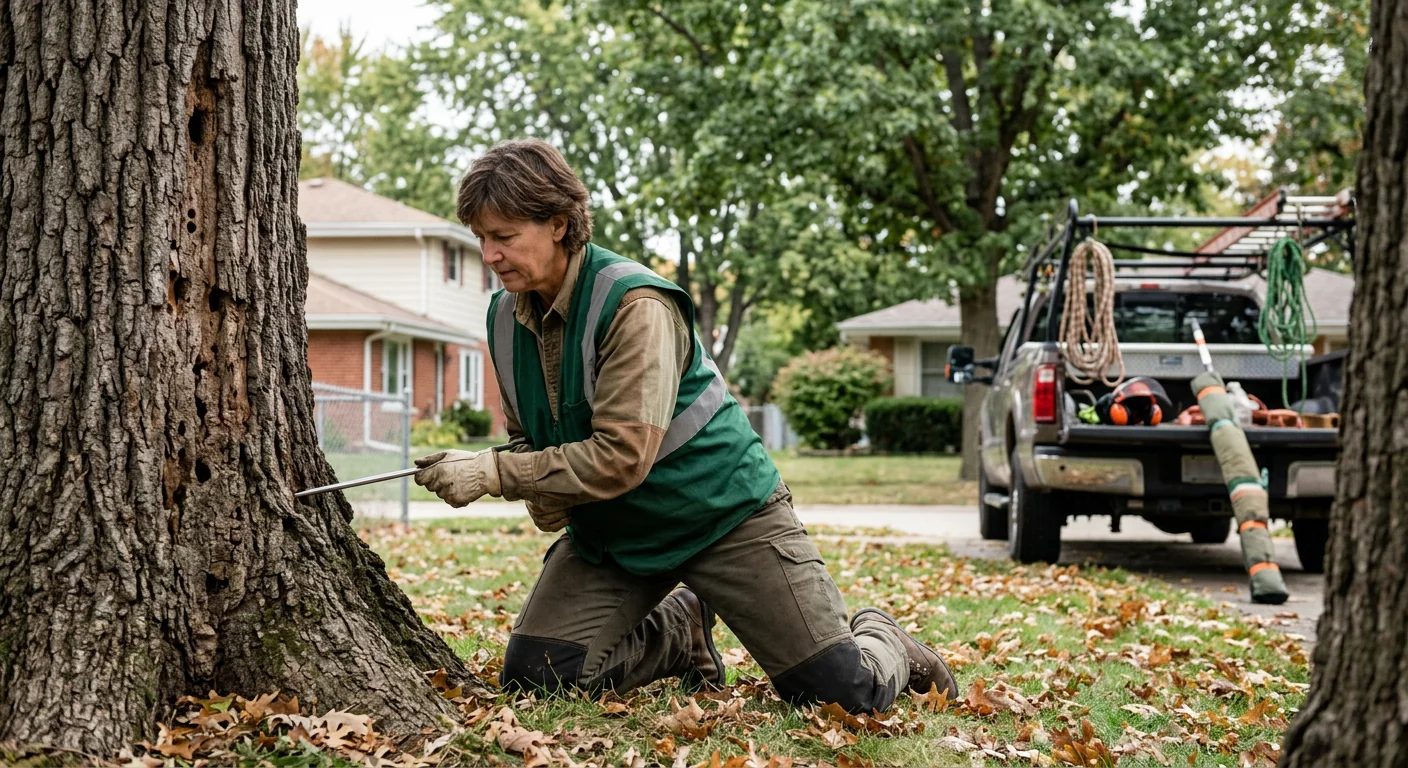
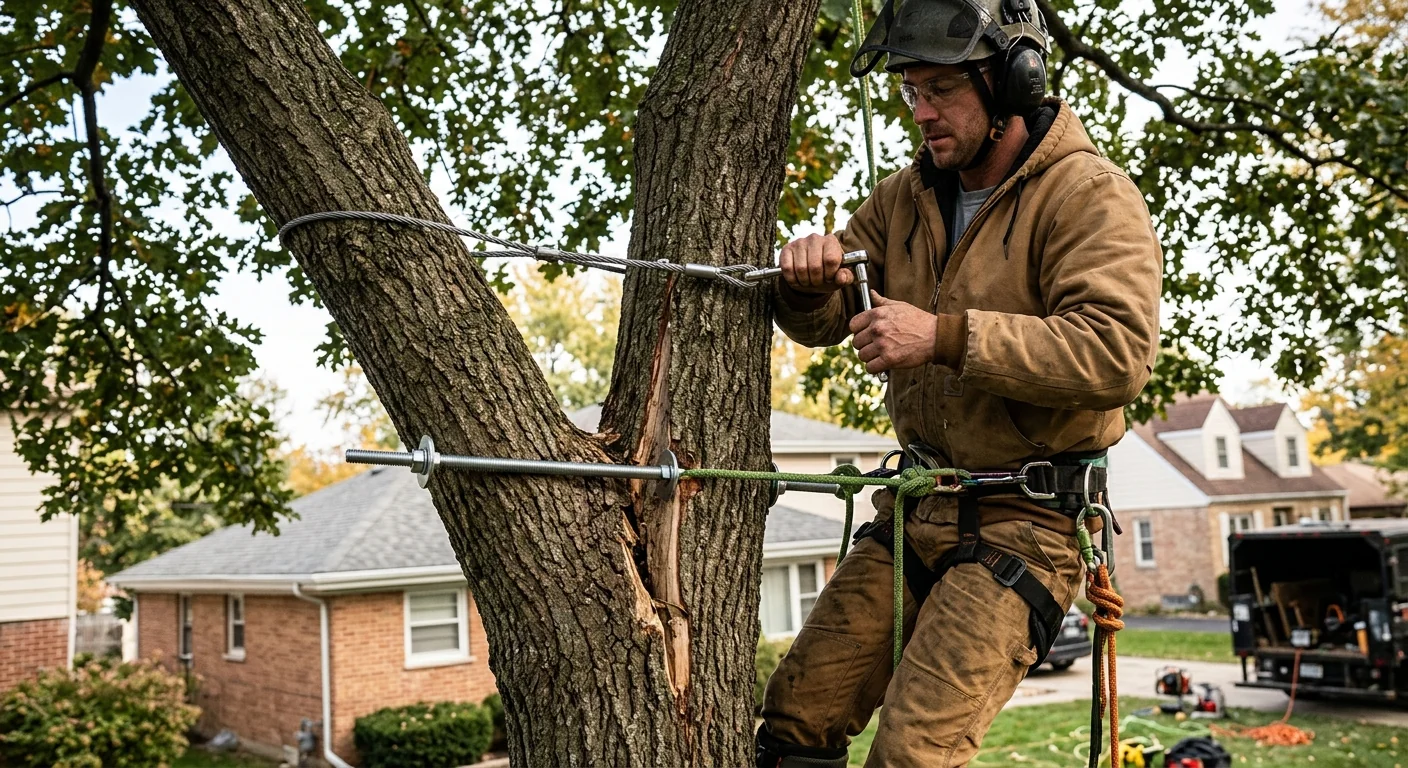
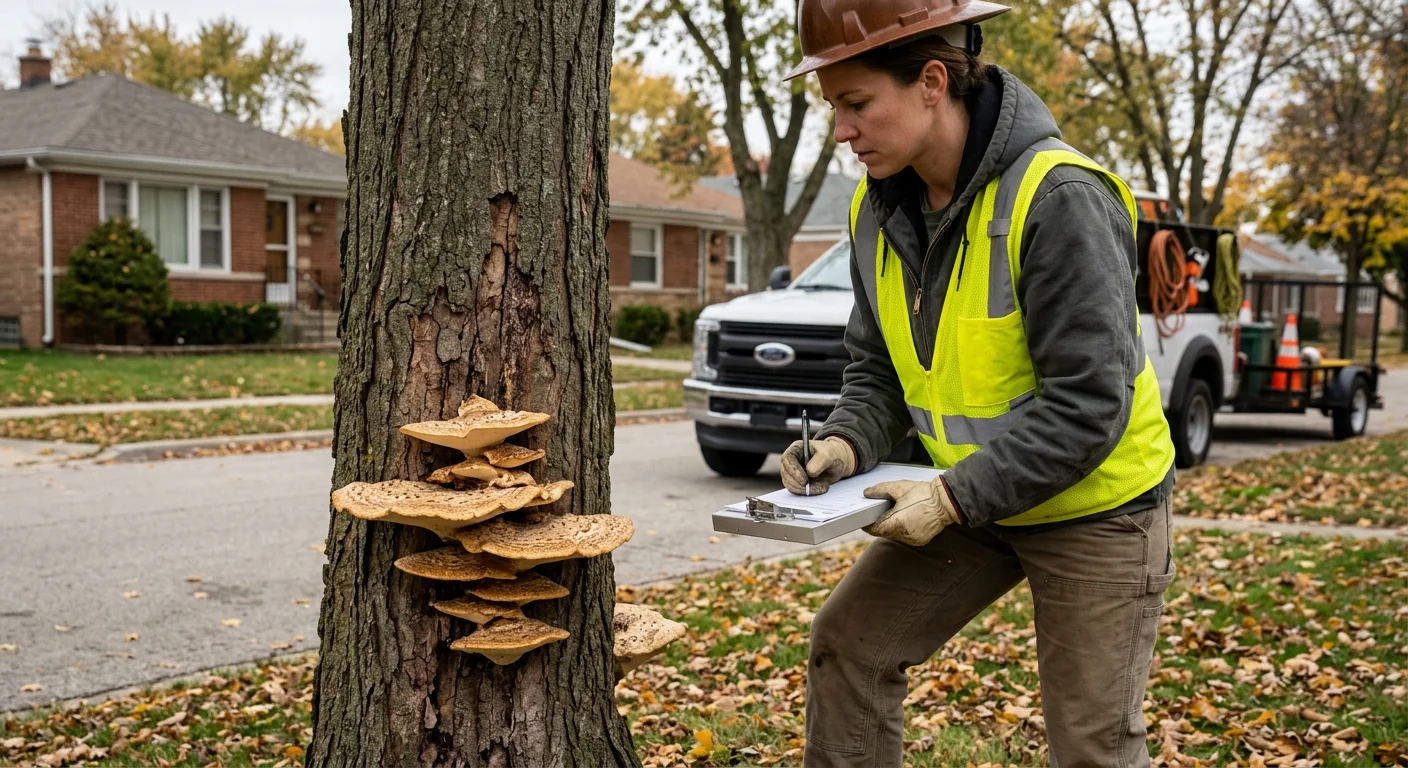
Close inspection of a trunk cavity and decay on a residential property
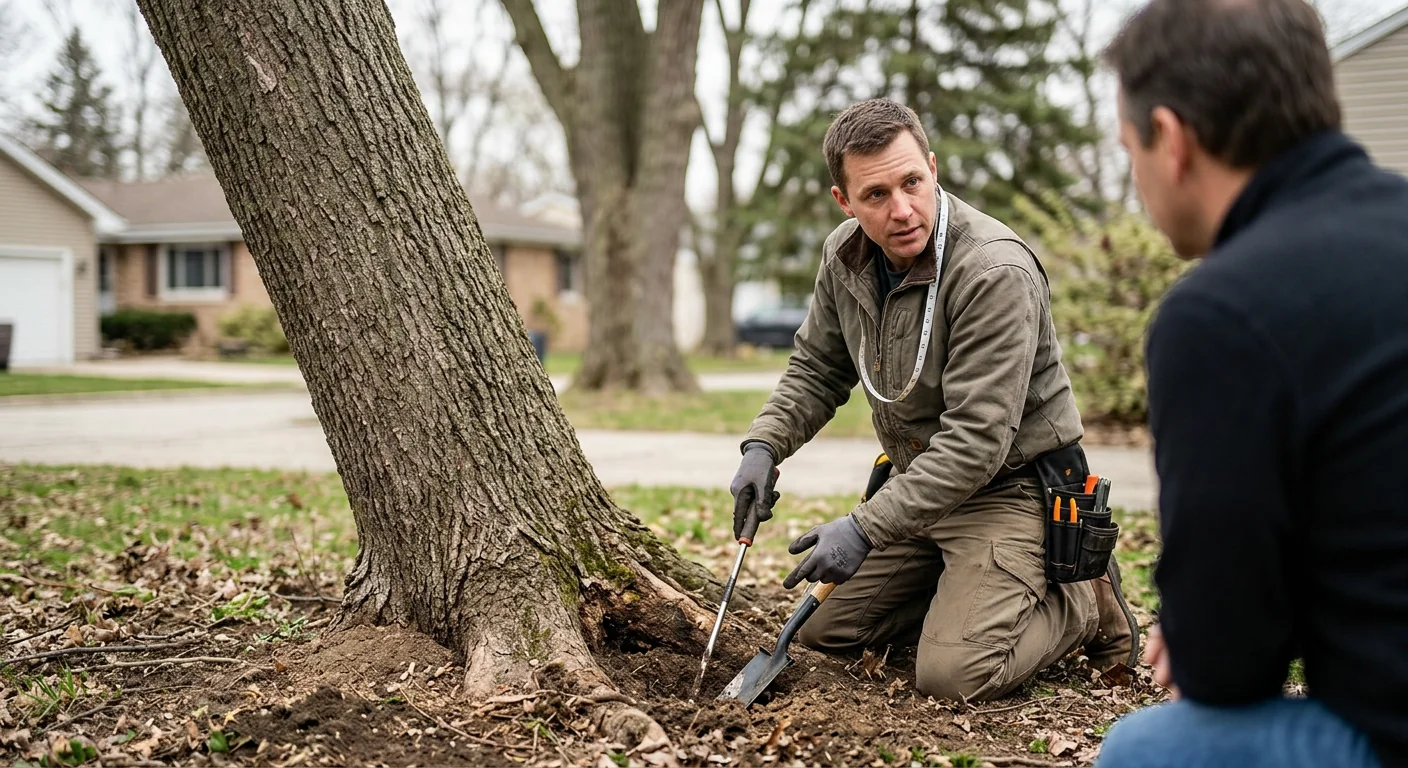
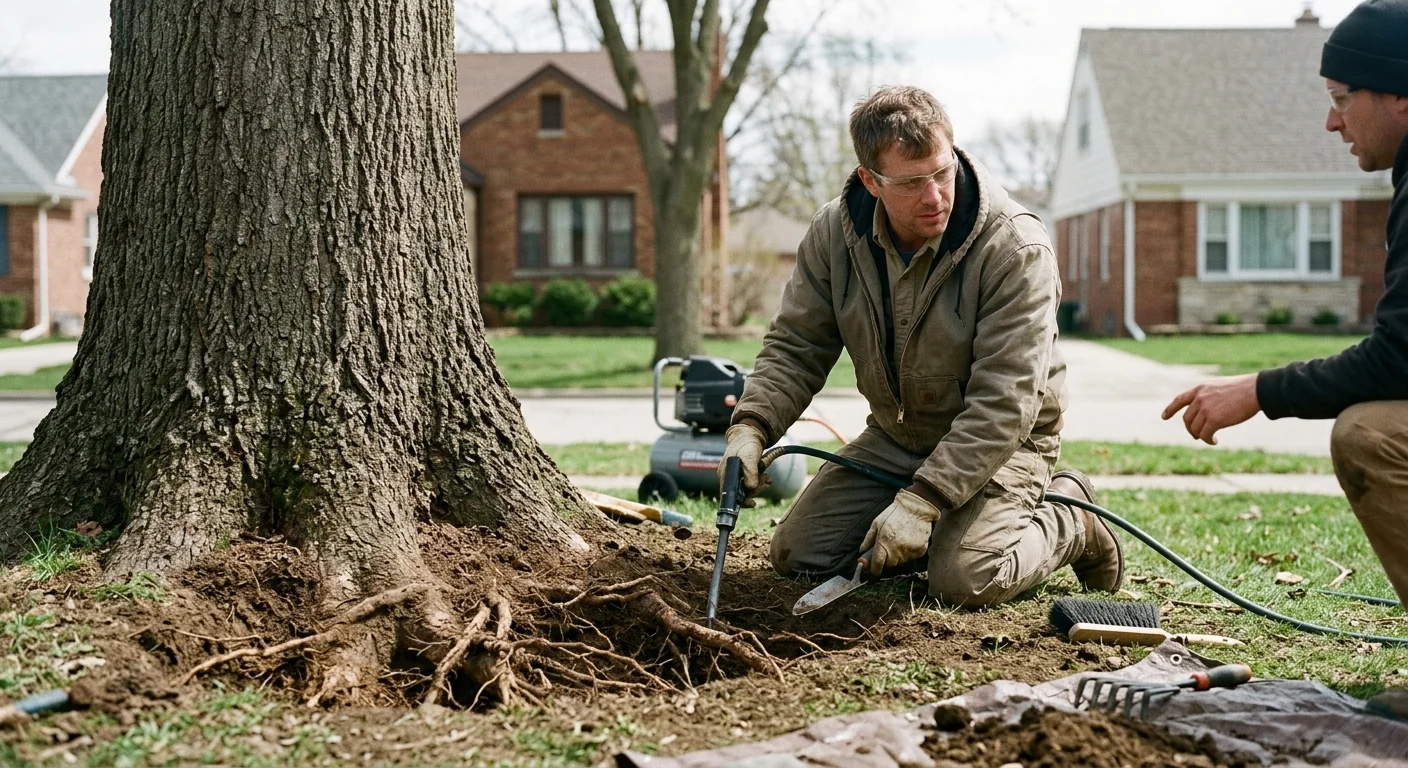
Technician examining root collar and soil movement near a leaning tree
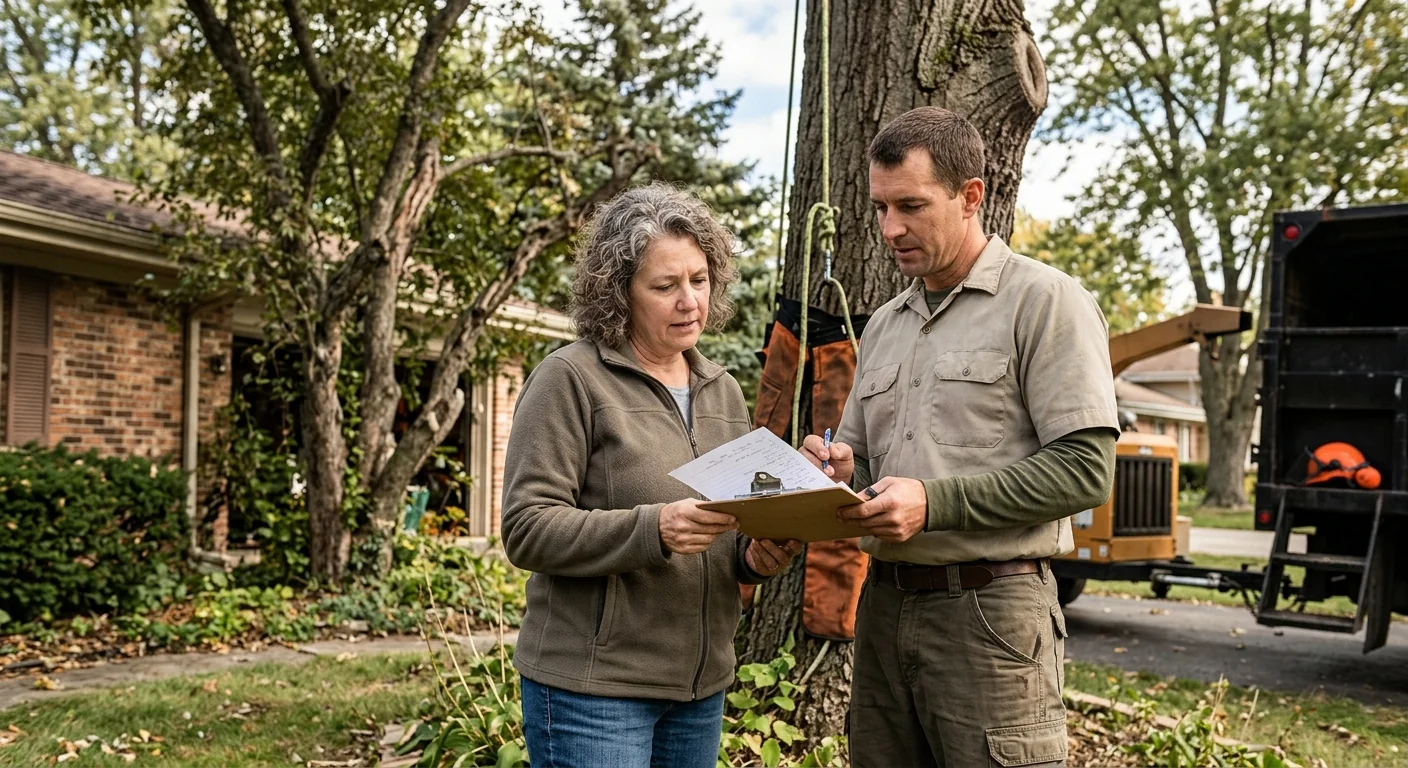
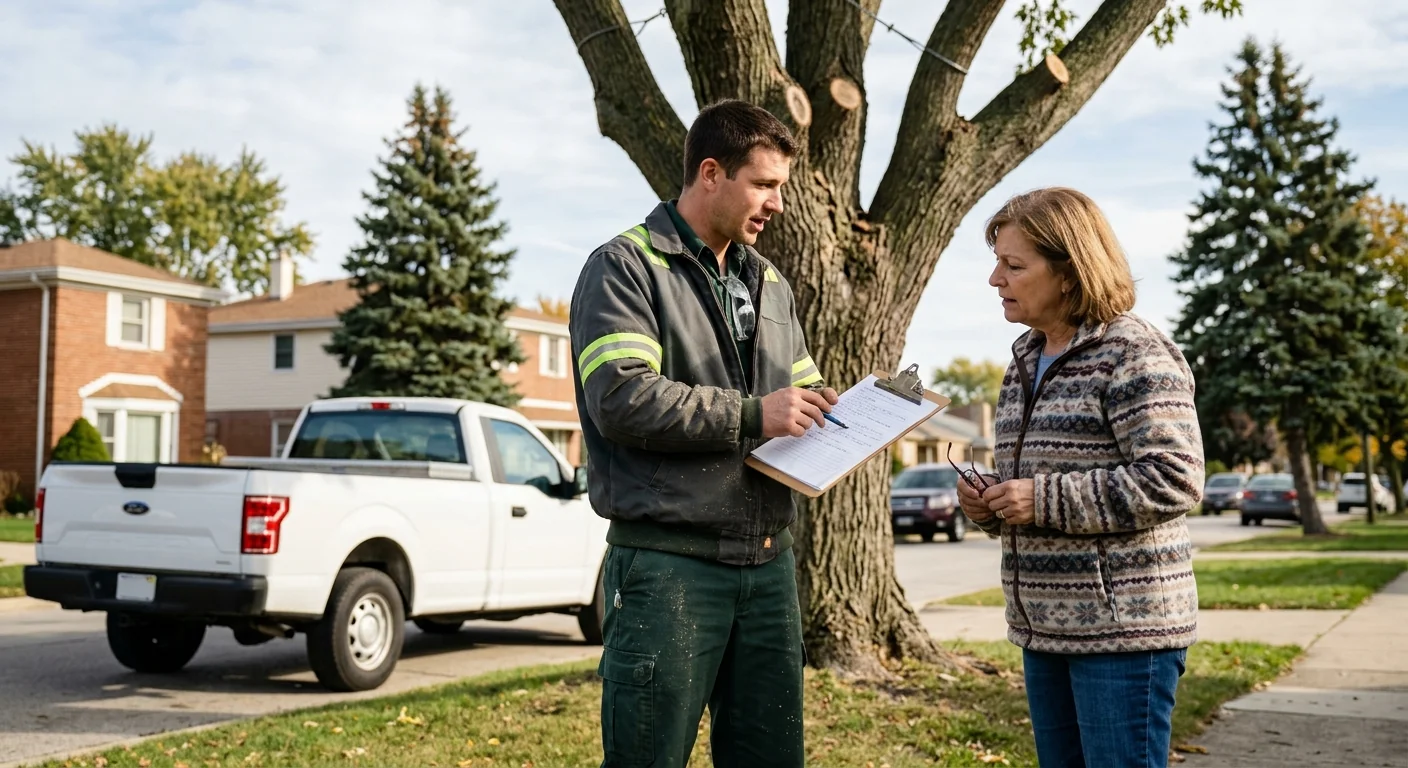
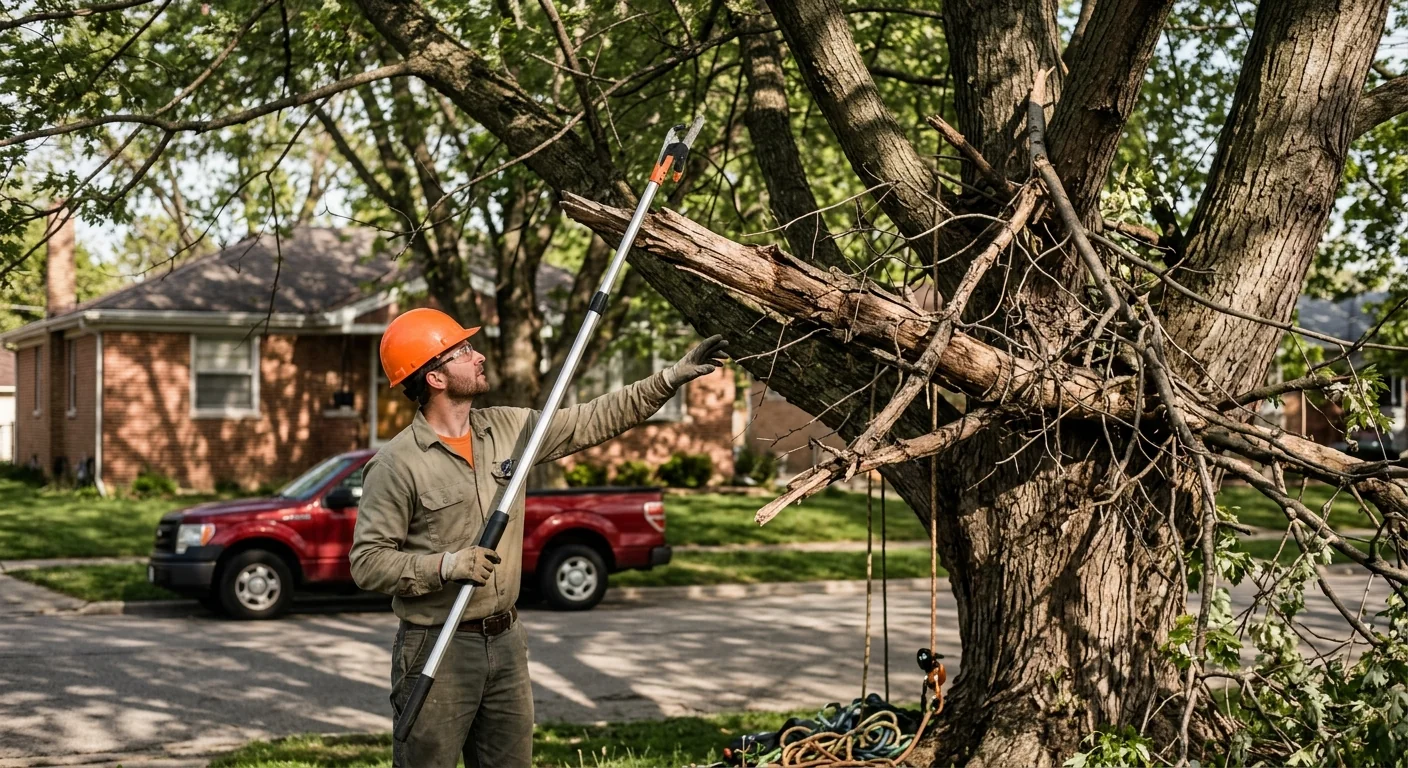
Written tree assessment report reviewed with a Bellwood homeowner outdoors

Reliable Tree Risk Assessment

What Our Tree Risk Assessment Service Includes

Tree Risk Assessment is the process of systematically inspecting a tree’s structure, health, and surroundings to determine the likelihood of failure, and at Bellwood Tree Services it includes crown evaluation, root collar inspection, and decay detection across Bellwood properties. Our technicians follow an organized sequence, starting with a ground-level visual assessment and moving to closer inspection of union defects, cavities, and lean angles. We check for included bark, deadwood, and soil movement around the root plate, then document each finding in a written report. This approach supports restoration rather than removal whenever a tree can recover through pruning, cabling, or targeted health treatments. Findings guide clear next steps.

Homes, commercial lots, and multi-unit properties throughout Bellwood all benefit from a measured look at their trees before small defects turn into larger structural problems. Our 2026 assessments account for the wet springs and heavy summer storms that stress mature canopies in this area, helping owners plan corrective work at the right time. When a tree shows early decline, we outline rehabilitation options that rebuild strength and stability over several seasons. The focus stays on recovery and improvement. Every assessment closes with a plain-language summary and a walkthrough of recommended treatments.

- Signs You Need Tree Risk Assessment -

What Signs Mean Your Property Needs Tree Risk Assessment?

Visible signs such as leaning trunks, cracked unions, hanging deadwood, and lifting soil around the root plate mean your Bellwood property likely needs a Tree Risk Assessment. Early inspection lets our arborists spot decay, weak branch attachments, and structural decline before failure occurs.

Click Me to Call: 708-240-3342

Leaning Trunks and Root Plate Movement

A sudden lean or lifting soil around the root collar often signals root plate instability, a common concern after Bellwood’s wet 2026 springs. Our arborists assess anchorage and root health to determine whether the tree can be stabilized and restored.

Cracked Unions and Deadwood

Splitting branch unions, included bark, and hanging deadwood point to weak attachments that may fail under storm loads. We evaluate each defect and recommend corrective pruning or cabling to rebuild canopy strength over time.

Cavities, Fungal Growth, and Internal Decay

Trunk cavities, conks, and fungal fruiting bodies frequently indicate internal decay that weakens structural integrity. Our sounding and visual inspection methods locate the extent of deterioration so treatment can restore remaining healthy wood.

- Tree Risk Assessment Process -

How Does Our Tree Risk Assessment Process Work in Bellwood?

Our Tree Risk Assessment process follows a clear three-step sequence built around inspection, documentation, and practical recommendations. Throughout 2026, our Bellwood technicians examine root collars, structural defects, and canopy load so homeowners understand the condition of aging or storm-stressed trees. Every finding is recorded. The goal is steady recovery, not guesswork.

On-Site Inspection and Evaluation

A trained arborist walks the property to examine trunk lean, decay pockets, cavity formation, and root plate stability. We check for cracks, deadwood, and included bark that often signal deterioration. Each tree is reviewed in relation to nearby structures and walkways across your Bellwood lot.

Documented Findings and Risk Rating

Observations are compiled into a written report with photo documentation and a clear risk rating for each tree. We explain which defects need corrective treatment, which trees can recover with care, and which conditions require closer monitoring. Nothing is left vague.

Recommendations and Restoration Plan

We review practical next steps with you, from cabling and pruning to targeted health treatments that help stressed trees rebuild strength. Our recommendations focus on restoring condition where possible and reducing hazards where removal is warranted. You decide the pace, and we support the plan.

How Much Does Tree Risk Assessment Cost in Bellwood?

Tree Risk Assessment pricing in Bellwood depends primarily on the number of trees inspected, tree size and canopy complexity, and the depth of documentation requested, with most 2026 evaluations falling within typical local ranges. Larger mature trees with suspected root decay or structural defects take longer to evaluate than smaller specimens. Several factors shape the final figure. Property access, terrain, and proximity to structures affect inspection time. Detailed reporting with photo documentation and individual risk ratings adds value for insurance or planning needs. Trees showing advanced deterioration may need follow-up recommendations for corrective treatment or restoration, which we outline separately so nothing is bundled unclearly. Because every Bellwood property differs, exact pricing requires an on-site assessment where we review each tree in person. We keep the numbers straightforward. Every evaluation begins with a free written estimate, so you understand the scope before any work is scheduled.

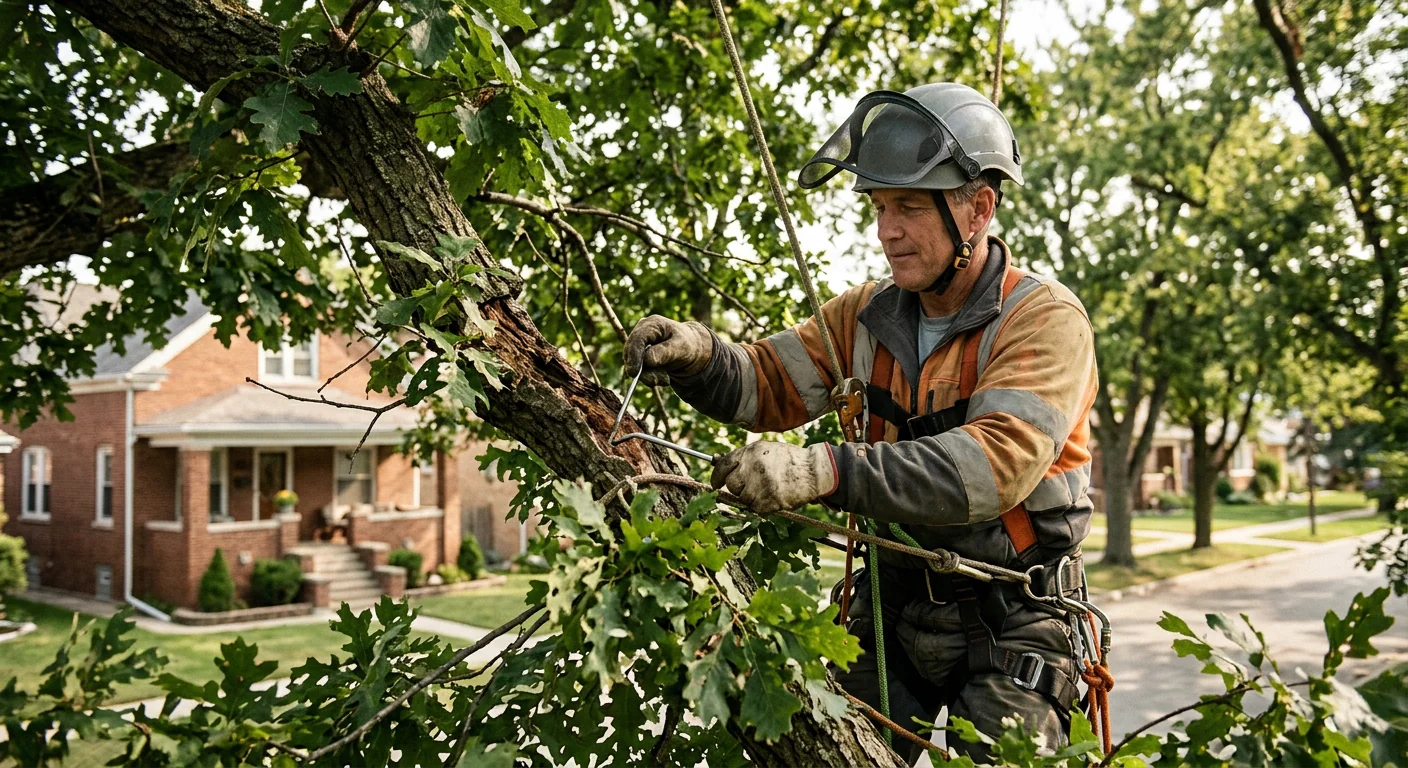
Arborist inspecting a mature tree during a residential risk assessment in Bellwood

Why Do Bellwood Homeowners Trust Us for Tree Risk Assessment?

Certified arborist reviewing tree condition and documenting findings on a Bellwood property
Homeowner and technician discussing a written tree risk report outdoors in Bellwood

Bellwood homeowners trust us for Tree Risk Assessment because our arborists combine careful structural inspection with clear written reports that make each recommendation easy to act on. We examine root collars, decay pockets, and canopy load using methodical evaluation rather than quick glances, then document every finding with photos and individual risk ratings. Each assessment includes a free written estimate and a post-inspection walkthrough so you fully understand the condition of your trees before deciding anything.

Our focus stays on recovery and improvement. Rather than defaulting to removal, we identify which stressed or neglected trees can be restored through cabling, corrective pruning, or targeted health treatments that rebuild strength over time. Throughout 2026, we continue offering scheduled follow-ups to track how treated trees respond, helping Bellwood properties recover from storm damage, environmental stress, and years of deferred care with steady, practical results.
Our Tree Risk Assessment Projects

Recent Tree Risk Assessment Projects Completed in Bellwood in 2026

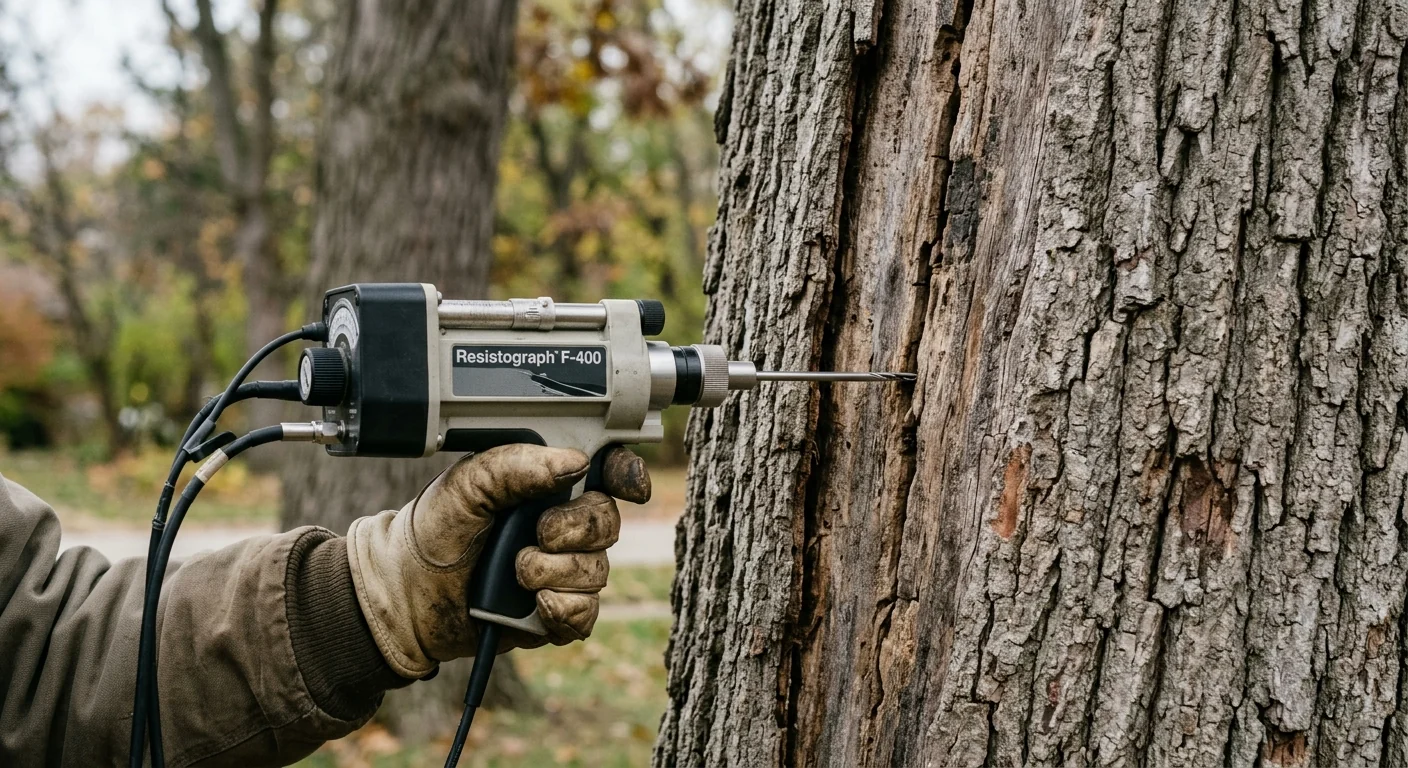
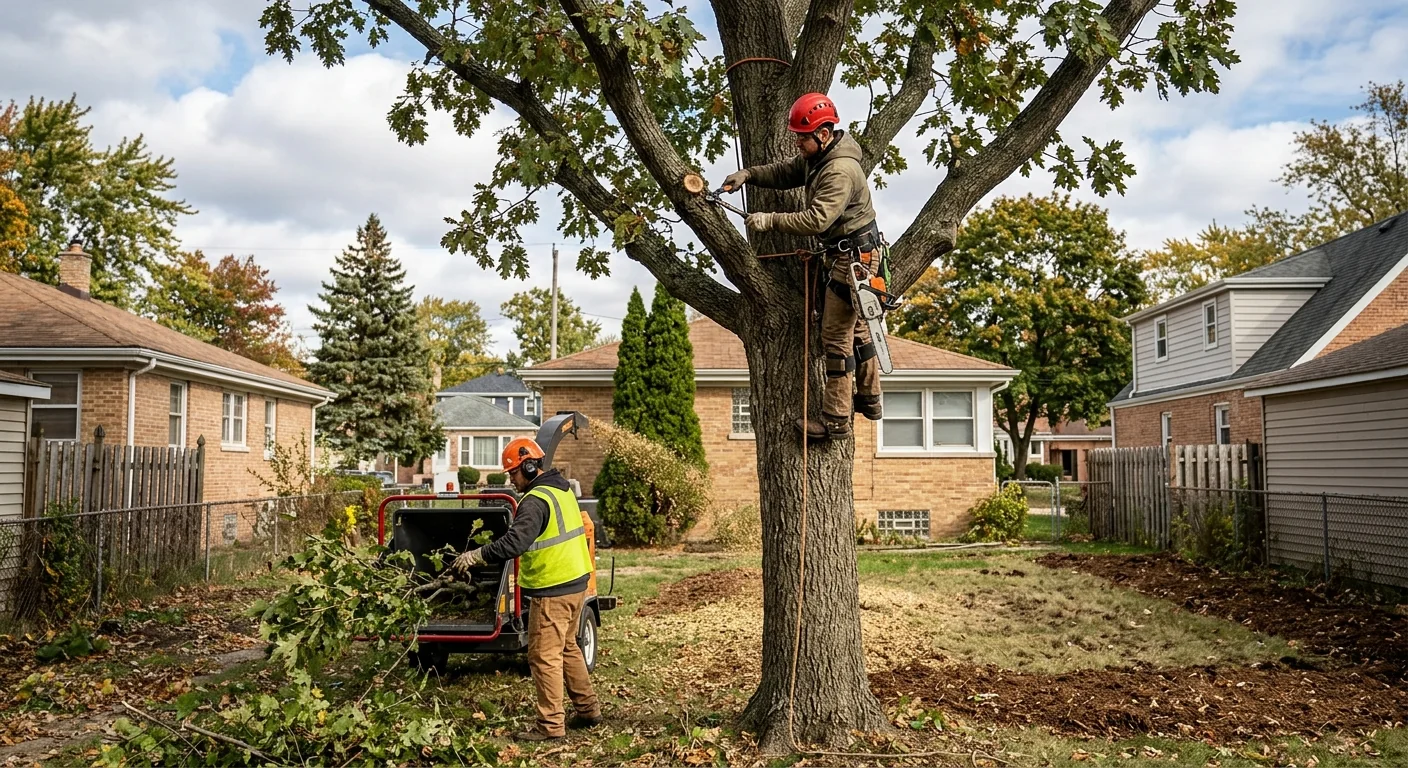
Across Bellwood this 2026, our technicians have carried out tree risk assessments on a wide mix of properties, from compact residential lots with aging maples to larger commercial parcels holding mature oaks near driveways and structures. Each evaluation begins with a visual tree inspection, followed by resistograph testing and root collar excavation when decay or structural weakness is suspected. We map defects such as included bark, cavities, and lean angles, then outline corrective treatments that help each tree recover rather than defaulting to removal. Several jobs paired assessment with cabling and bracing to restore stability in split-crotch limbs. The goal stays consistent throughout. We help neglected and storm-stressed trees return to healthier, safer condition over time.

Property conditions varied considerably, and so did the solutions our crews recommended. On older Bellwood parcels with long-neglected canopies, we documented deadwood loading, soil compaction, and fungal fruiting bodies before shaping a phased restoration plan. Newer developments often needed baseline evaluations to catch early defects before they progressed. Every assessment closed with a written report and a post-job walkthrough so homeowners understood the findings clearly. When correction was possible, we prioritized rehabilitation and targeted pruning to rebuild sound structure. The result is steady improvement across yards that once carried avoidable risk.

- Tree Risk Assessment FAQs -

Tree Risk Assessment FAQs for Bellwood Homeowners

Click Me to Call: 708-240-3342

You can schedule a tree risk assessment by calling 708-240-3342 or emailing contact@bellwoodtreeservices.com, and we will arrange a site visit that fits your availability. During booking we note any visible concerns like leaning trunks or deadwood so the technician arrives prepared for a targeted visual tree inspection. We confirm the appointment and share what to expect before the crew arrives.

A tree risk assessment includes a structured evaluation of trunk stability, canopy condition, root collar health, and any visible defects such as cavities, included bark, or fungal fruiting bodies. When deeper decay is suspected, we may use resistograph testing or root collar excavation to confirm internal wood strength. You receive a written report outlining findings and recommended corrective treatments.

No major preparation is required, though clearing patio furniture, vehicles, or stored items away from the base of the trees helps the technician access the root collar and lower trunk. It also helps to note any recent changes you have observed, such as new lean, sudden limb drop, or soil heaving. That background gives the assessment sharper context.

The cost of a tree risk assessment in Bellwood depends on the number of trees, their size, and whether advanced diagnostics like resistograph testing are needed. After a brief look at your property, we provide a written estimate so you understand the scope before any work begins. We keep pricing transparent and tied directly to the evaluation your trees require.

Bellwood trees face repeated freeze-thaw cycles, saturated clay soils, and summer storm winds that gradually weaken root anchorage and stress mature limbs. In 2026 we continue to see storm-loaded canopies and soil compaction contributing to structural defects that a careful assessment can catch early. Identifying these issues in time often allows corrective pruning or cabling to restore stability rather than requiring removal.

Book Tree Risk Assessment

Schedule Tree Risk Assessment in Bellwood

Ready to understand the condition of the trees on your Bellwood property? Our experienced technicians provide free written estimates with no obligation, so you can plan corrective care with clear expectations for 2026. Scheduling is straightforward, and we work around your availability to make the process simple.

Reach out today and let our team help restore stability and health to aging or storm-stressed trees. A calm, organized assessment is the first step toward lasting property improvement. Contact us now to get started.

Request Free Estimate 708-240-3342
Arborist inspecting a mature backyard tree during a Bellwood risk assessment